
Trade Marketing, POSM & Retail Execution in Pakistan
Retail Visibility, POSM Displays, Merchandising, Dealer Branding & Field Compliance Audits. Connecting high-level brand awareness with point-of-sale execution.
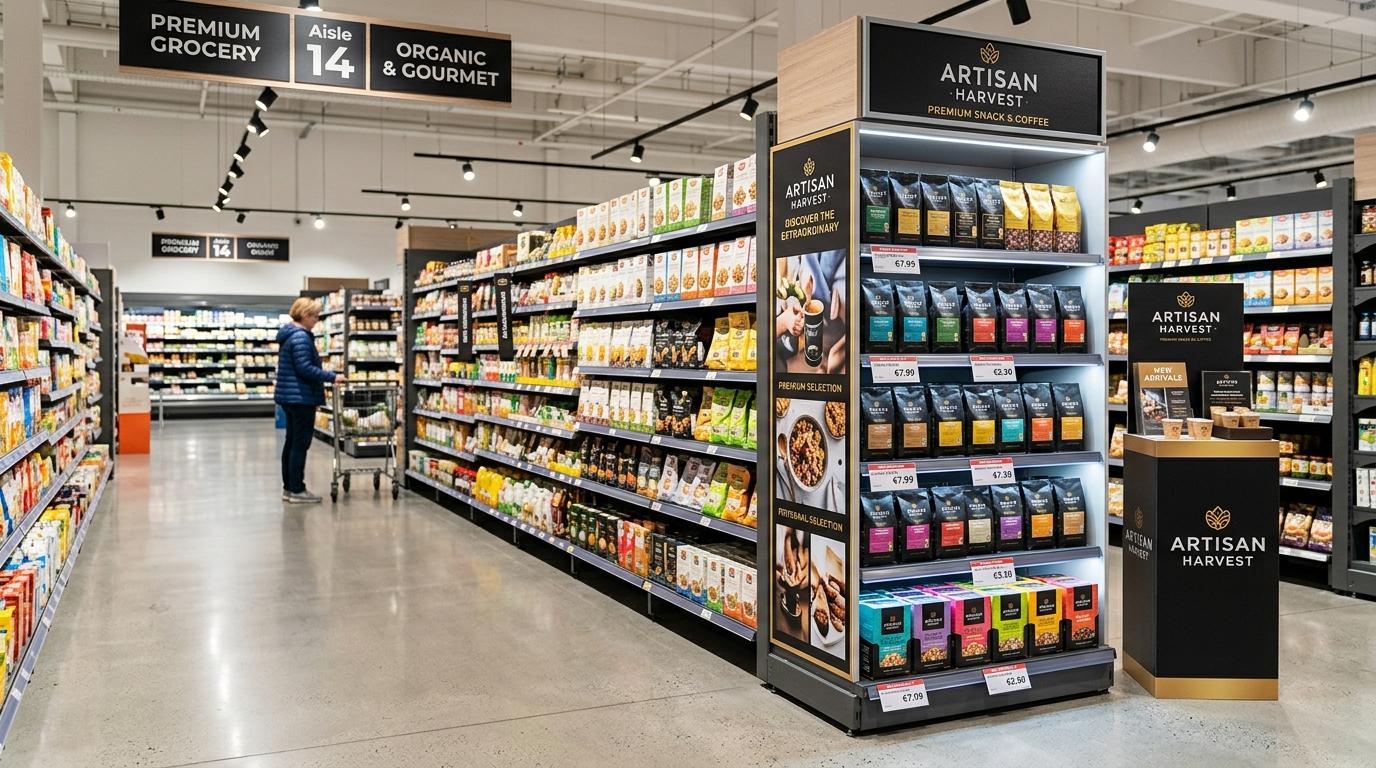
Execution Controls
- Trade Formats: Modern Trade (supermarkets) & General Trade (kiryanas).
- POSM Collateral: End-caps, floor units, shelf-strips, wobblers, danglers.
- Audited Tracking: Planogram compliance checklists & defect ticketing.
A brand can spend heavily on advertising but still lose a sale when the product is missing from the shelf or hidden behind competing displays. Trade marketing connects brand planning with what customers encounter at the point of purchase.
Green Marketing Pakistan's proposed retail execution framework covers point-of-sale materials, shelving plans, outlet branding, installation coordination, field verification and actionable reporting. Nationwide field capacity and specific retail-chain access must be verified before such coverage is promised.
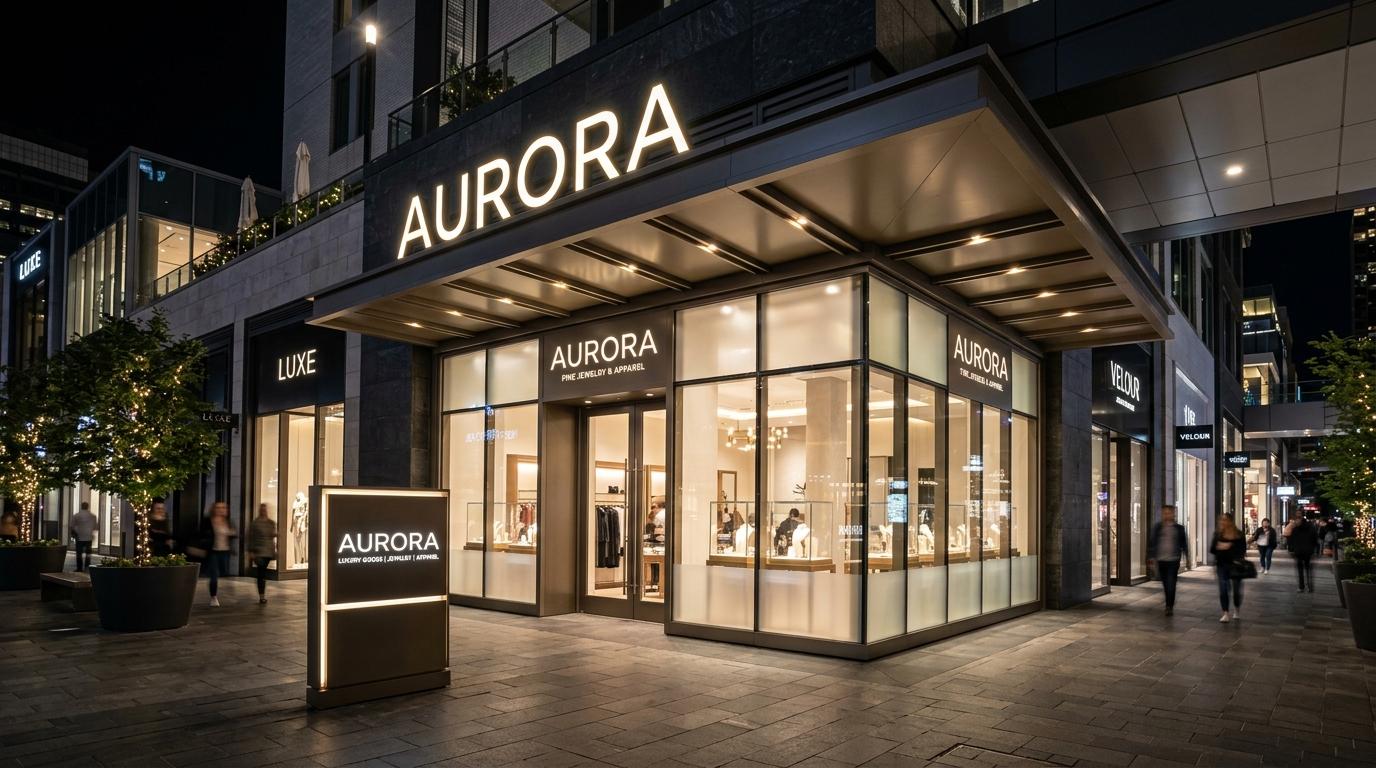
In-Store Visibility & Dealer Fascia Branding
Standardized point-of-sale displays and monitored planogram compliance.
What Is Trade Marketing?
In Pakistan, requirements vary significantly between a modern hypermarket, a small independent kiryana shop, an electronics dealer and a nationwide franchise outlet. Each format requires the right materials, access and measurement approach.
POSM, Shelf Branding & Retail Displays
Potential assets include shelf talkers, price cards, floor-standing displays, product islands, branded end caps, refrigerators or cooler wraps and approved window vinyl. Each has different load, cleaning, replacement and permission requirements.
Record asset ID, location, quantity, material substrate, approved artwork version, physical dimensions, installation photograph and verified completion date.
Modern Trade vs General Trade Execution
Modern Trade (Supermarkets)
Plan space allocation, head-office approval, planograms, promotional windows, display safety and replenishment roles. High compliance demands and formal gatekeeping.
General Trade (Kiryana Stores)
Check individual store size, retailer permission, signage restrictions, stock availability and realistic route plans. Do not place materials where they obstruct exits or conceal required safety information.
Merchandising, Planograms & On-Shelf Availability
An audit should distinguish product absent from store, present in backroom but not on shelf, present but hidden, incorrectly priced and correctly displayed.
If 72 of 90 inspected outlets meet the agreed display checklist, observed outlet compliance is 80%. This does not prove an 80% rate across every outlet in Pakistan. Reporting should specify the inspected outlet universe, sample method and audit date.
If the outlet list weights high-volume stores differently, both the weighted and unweighted rates should be transparently defined. Never change denominators mid-campaign to artificially improve reported performance.
Dealer Branding & Multi-Outlet Rollouts
A practical rollout might start with a pilot group of outlets. Pilot findings should inform materials, packaging, crew allocation and installation timing before a larger order.
Field Audits, Photographic Evidence & Reporting
| Field | Why the Report Needs It |
|---|---|
| Outlet ID and location | Prevents ambiguity between similarly named stores and establishes exact physical addresses. |
| Visit date and agent name | Creates surveyor accountability and chronological verification for multi-visit rollouts. |
| Required display assets | Defines the agreed brand standard and checks presence of mandatory POSM fixtures. |
| Stock / SKU availability findings | Distinguishes out-of-stock supply chain issues from visual merchandising defects. |
| Photo and audit evidence | Supports manual verification, timestamp reviews, and photographic compliance proof. |
| Defect categorization | Categorizes broken acrylic, misaligned wobblers, or missing stock to prioritize field fixes. |
| Corrective owner and due date | Closes the execution loop by assigning maintenance or replenishment actions. |
Retail Campaign Cost and Performance
A 40-outlet rollout with PKR 600,000 of agreed costs has an initial average expense of PKR 15,000 per targeted outlet. If only 34 are completed, the cost per completed outlet is approximately PKR 17,647 before adjustments.
*This is a hypothetical planning model, not a fixed Green Marketing Pakistan price or quotation.
Frequently Asked Questions
What does POSM mean?
POSM means point-of-sale materials, such as shelf strips, display units, wobblers, standees and retail promotional graphics positioned near buying decisions.
What is a planogram?
A planogram is an approved visual diagram establishing how specific products and SKUs should be arranged and merchandised on a retail shelf or display.
Can trade marketing improve sales?
It can improve visibility and execution, but a sales effect depends on product availability, pricing, competition, shopper behaviour and other operational factors.
Can audits cover kiryana stores?
Yes, where stores grant the required access and an appropriate field plan exists. Coverage must be confirmed rather than assumed.
How should a retail rollout be verified?
Use agreed outlet identifiers, completion photographs, asset records, defect tracking and signed acceptance where appropriate.